
I am a TIG welder (Tungsten Inert Gas). Is it a leap from being a timber framer? I was not your run of the mill timber framer. I was arrogant, self assured, with attitude in abundance, and I was strong. So, in that regard I was your average timber framer. I loved the axe, which is to say that one loves pain, for that is what the axe, and the adze were to me. Pain.
But there is something beautiful about using ones body.
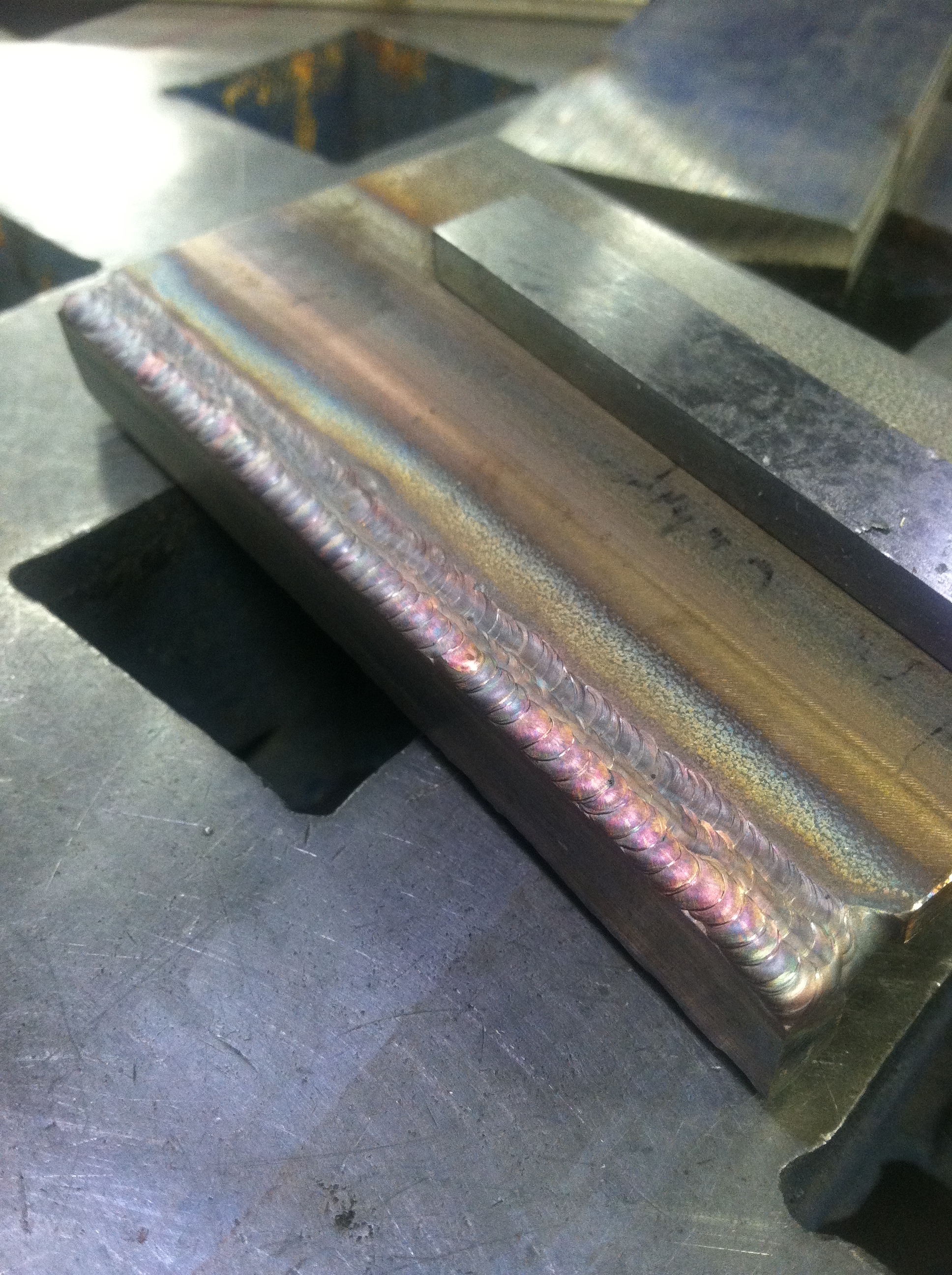
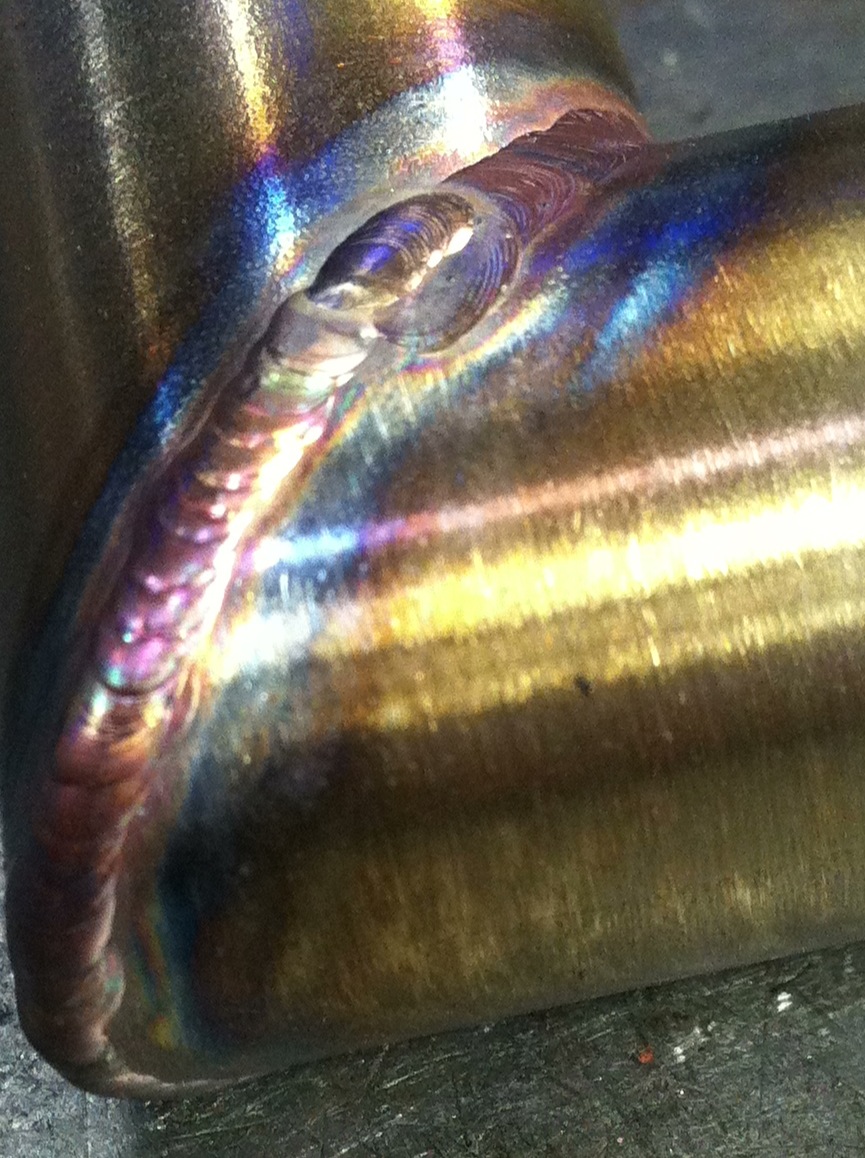
TIG welding is not at all the same as swinging an axe, or an adze. At least not the way I did it. I have seen people who are slow, and an axe is something like a paintbrush, or some delicate tool, and they take one lick, one fiber, at a time.
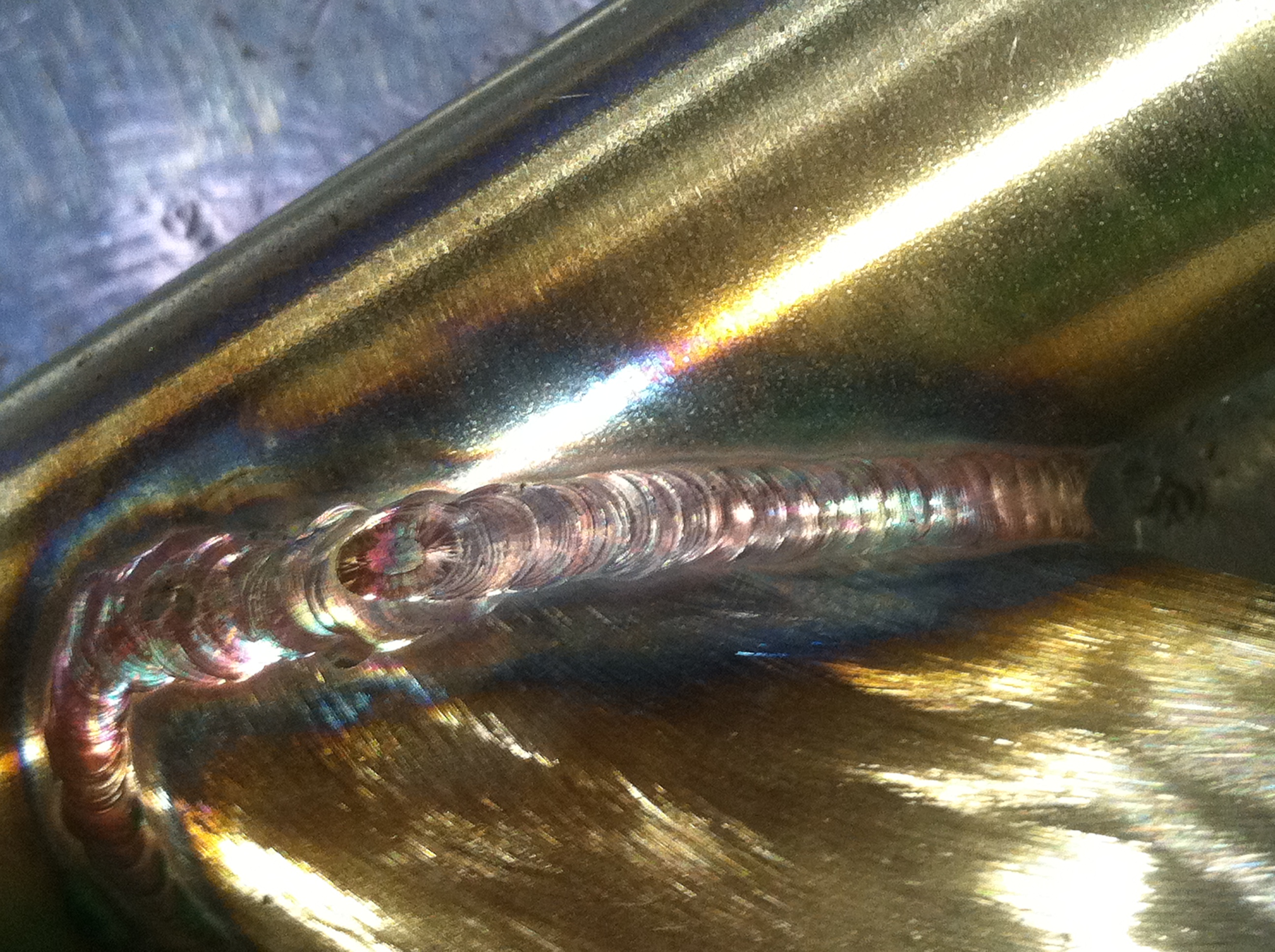
Axes are dangerous, yes, they are also capable of incredible precision, but their proper use is infused with trust, and not control. You put it where you want it to be and you trust that your skill, your strength will get it there. And it goes. And it removes wood. And you are not where it emerges, or it removes you.
You can know. You can be safe, and you can be productive and extremely precise. Watch some of the Scandinavian axe men. Watch them hew channels for window and door bucks into log buildings. Incredible.
The old ways have so much trust in them. Skill has to be present. One doesn’t overthink, but thinking is there. People have commented on how tedious hewing is. But it is not. Like Tig welding it is one stroke, one bead at a time. I am learning control in TIG and it is like hewing, once you are good, it is there, in your fingers, in your hands, in your body.
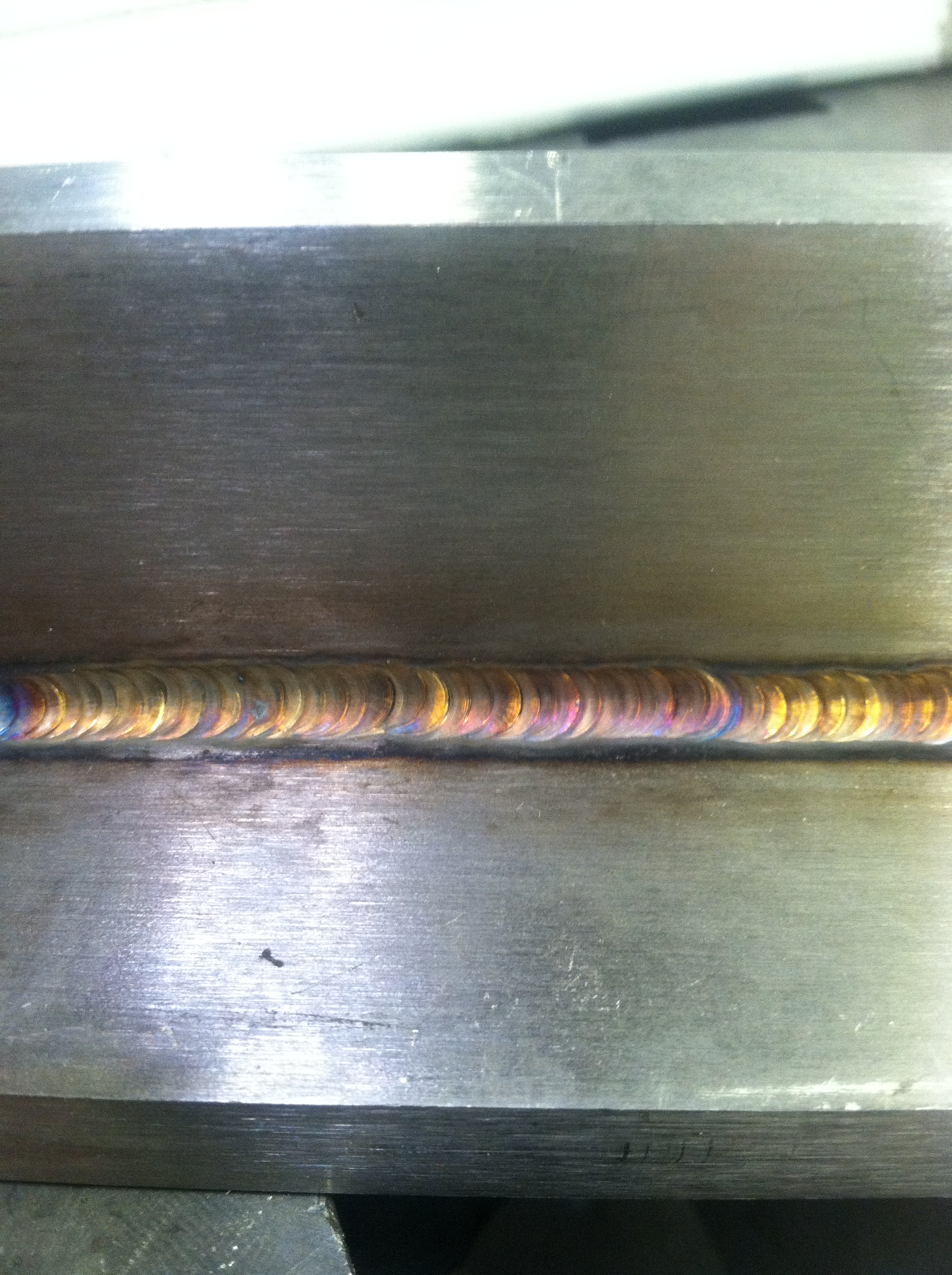
Hewing required you to be aware. Be aware of the grain. What angle do you need to approach at? Will the axe penetrate? Where is your leg? What happens if the axe swings free? If your leg is in the way, it will go through your leg. If you hew near the earth, it will strike a stone. Every stroke is an adjustment. You don’t always hew to a line, but you know what you are doing. It is in you like smoke. You are part of the axe, you feel it in your body, and it causes you pain, and you go through it.
Watching a new hewer is a realization in what it takes. I was under 110 pounds when I began in 1988. I was thin. This was after the Army Reserves (91Bravo), I was an adult. I am 206 pounds today, and I could lose a good 8 pounds, but 10 is a bit much. Most of that weight was gained swinging an axe.
Jack showed me a picture once, of a fan who had started hewing after reading one of his books. I commented that he was a brand new hewer. He scoffed at the remark, and asked what made me say that. You could see his ribs, I said. Further in the letter it stated that the young man had just started hewing. If you can see a mans back bone, he hasn’t been hewing long.

Vain? It feels funny but if there is truth in my words the journey is in my back. I have been out of timber framing for 3 years, but I am still strong, and I have a strong back, and it is all from swinging an axe and moving timber, in very, very stupid ways. I’ve tried lifting weights a few times but I go at it like work, and it ends up hurting me, so I just do some chin-ups and kettle bells, but I will probably swing an axe again soon.
TIG seems to be a steady hand, and a steady eye, but like everything in craft, knowing how it should be, what the tricks and the rhythms are, and watching others who know the way. And there is the discussion between truth and falseness. When you go into the woods, what is the smell, what is the feel beneath your toes, the chill in the air. Do the leaves crunch? We can say fancy words, and make up all sorts of fairy tales that either scare us, or reassure us, but at the end of the day, life must be gentle, which is to say it must be real. If our world is built of words and false structures that must be propped up, then it is not gentle. It falls apart the moment it is tested. We need to eat, we need to breathe, we need to sleep, and we need to wake up.
Life isn’t gentle, and yet it is. A storm is a battle, but those that survive sway in the breeze, and shelter others from the sun, and stretch out green and brown arms. That is certainly gentle, but those are the same arms that battled the storm, and won, and they are the same arms that will fall to age, and disease, and rot, and new arms will rise in their place. We worry about what comes tomorrow, and it isn’t here, it only lives in our imagination, even if it comes to be.
Craft touches our roots, and connects us to the world around us. It can be real. If it isn’t, if it just glorifies someone, then it doesn’t last long. If it can’t stand being tested, then it fails, and if it can’t be passed on, if no one picks it up, it dies.
